




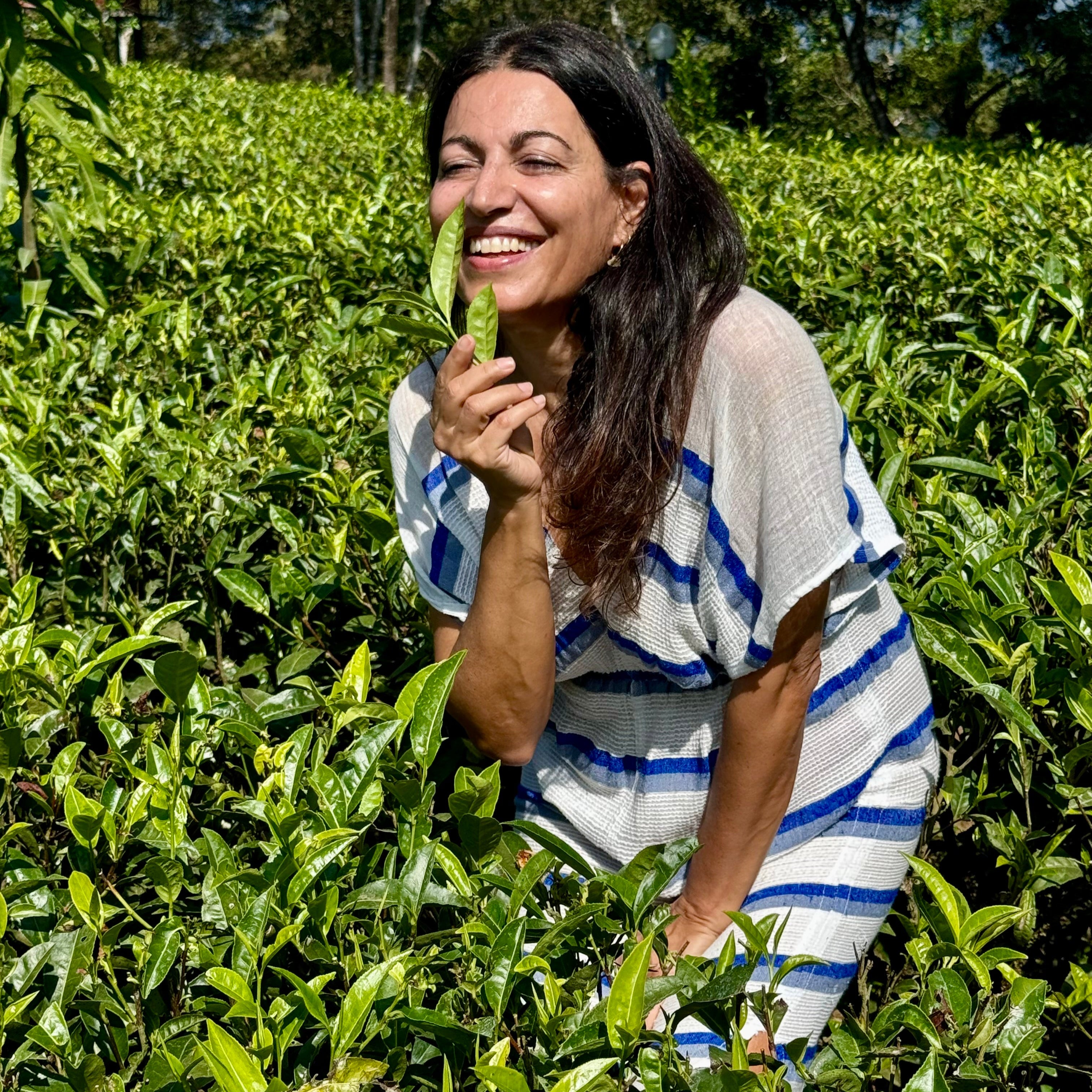
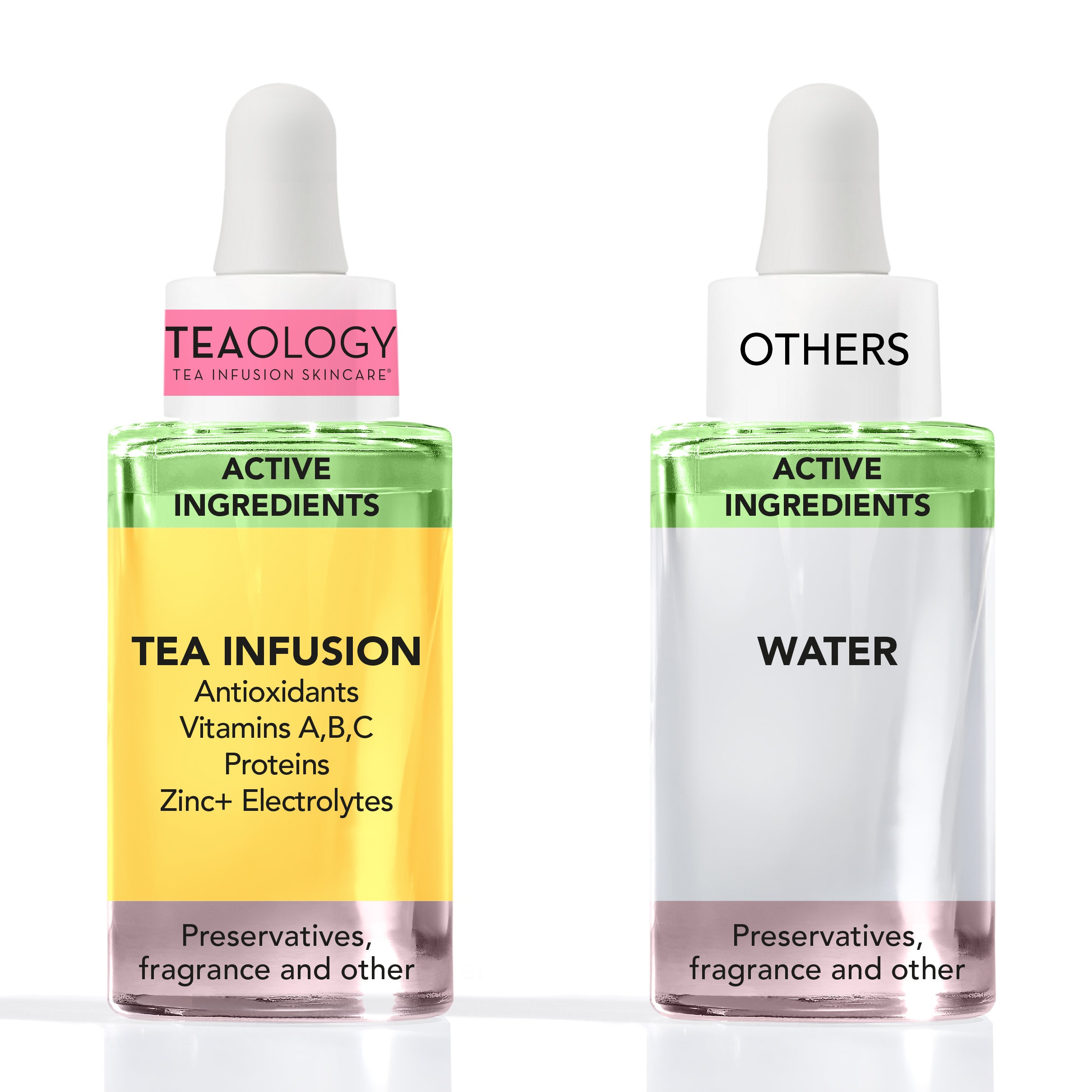

A Chinese proverb says that one lifetime is not enough to discover all the varieties of tea that exist in the world. Even more surprising is that the over 5,000 types of tea produced between Asia and Africa all come from the same plant: the Camellia Sinensis, an evergreen tree that grows both in lowlands and at high altitudes in warm and humid climates.
The Camellia Sinensis is a miraculous plant because, in addition to being a natural source of catechins, among the most powerful antioxidant molecules, it is also a highly renewable source: it grows easily and is harvested several times a year. The Assamica species, which grows in the Indian region of Assam, is so productive that it is harvested as many as 30 times a year.
From the tea plant, in addition to the leaves, seeds are also harvested, from which a precious oil is extracted, Camellia Sinensis Seed Oil, rich in Vitamin E, phytosterols, and squalene, useful for strengthening the skin barrier.
The Colors of Tea
How is it possible to obtain so many varieties of tea from the same plant? The aroma, color, and appearance are determined by four elements:
- The variety of the plant — there are two: sinensis and assamica
- The environment in which it grows — soil composition, altitude or lowland
- The type of harvest — buds, first leaves, second flush
- The processing — fermented, semi-fermented, and unfermented teas
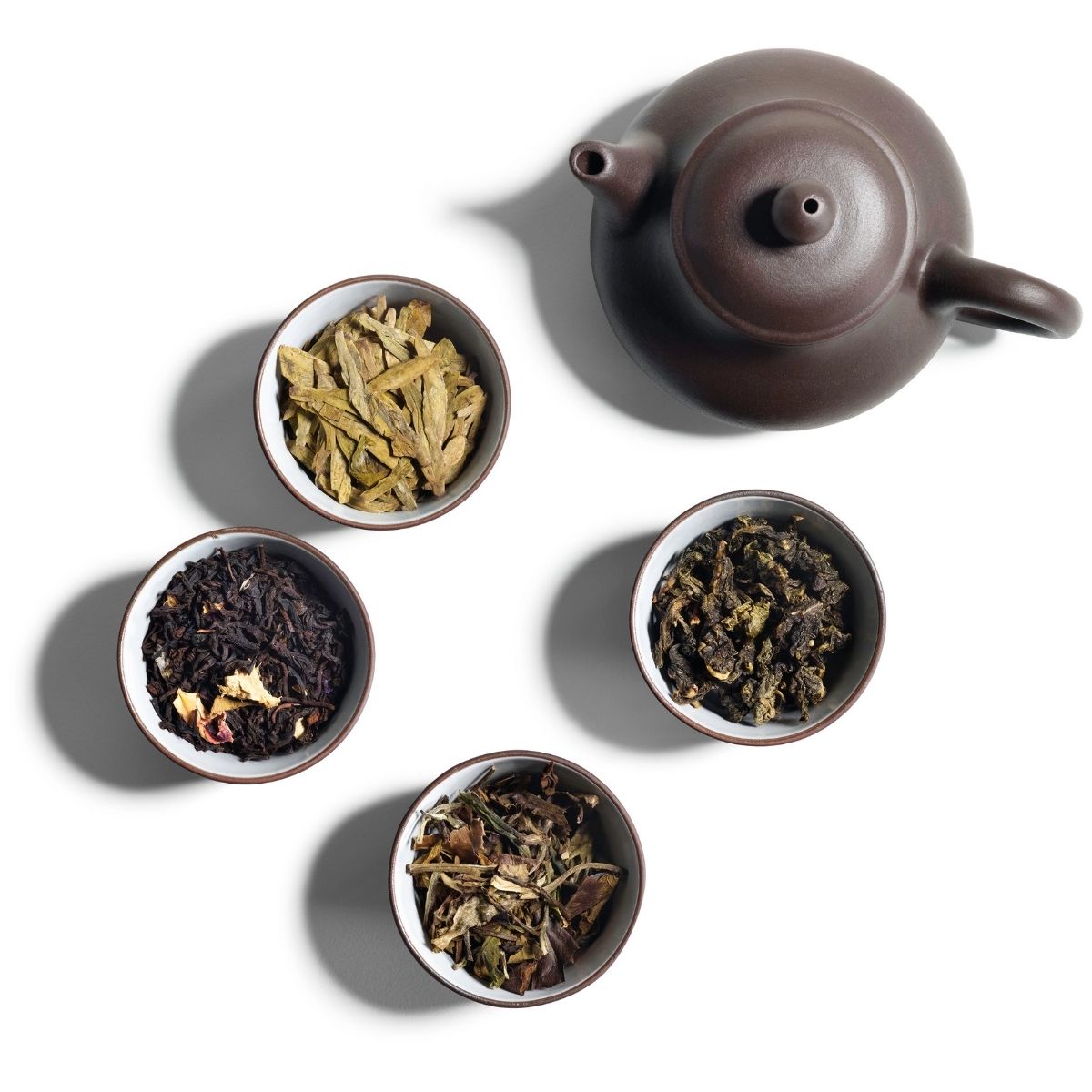
Among the different types of tea, there are 5 "colors" that are the most popular and have a millennial tradition:
- White Tea: produced in China and India, it is obtained from the buds and youngest leaves which, after harvest, are left to wither and dried naturally. Known as the emperor's tea because it is the most prized variety, until the last century it was used only by royal families. It is an unfermented tea with the highest content of antioxidant catechins (EGCG).
- Green Tea: produced in China and Japan from the first two leaves. It does not undergo fermentation: after harvest, the leaves are quickly heated to block oxidation and dried with or without steam. In China, they are rolled into balls (Gunpowder); in Japan, steaming preserves the intense green color and Vitamin C content.
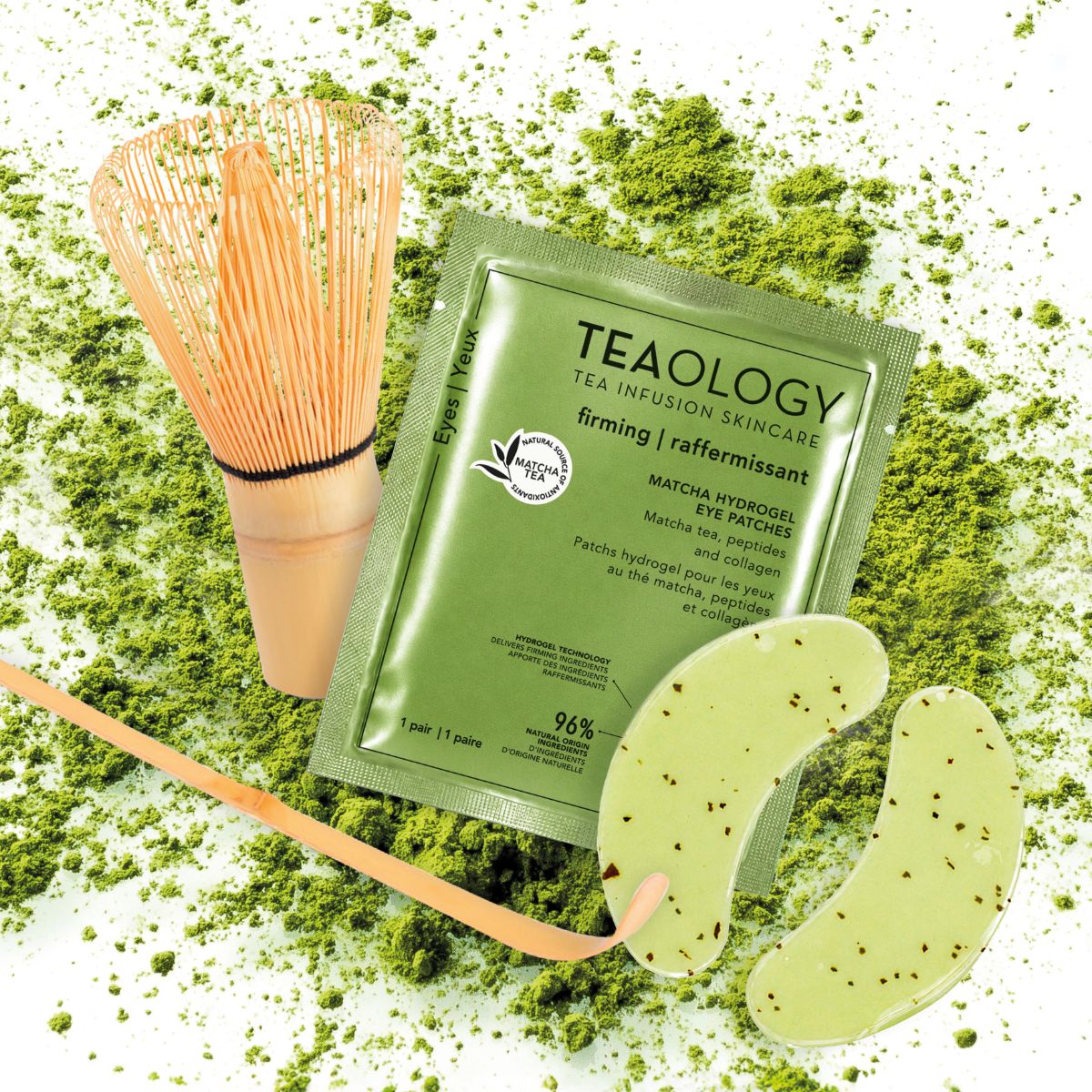
- Matcha Tea: Japanese green tea grown in the shade for about 20 days before harvest, then dried and finely ground into powder. Shading enhances the antioxidant power of the leaves, stimulating the production of EGCG catechins and chlorophyll — hence the bright green color.
- Blue Tea (Oolong): produced in the Chinese region of Fujian, on mineral-rich soils that give the leaves their characteristic green-blue color. It is a semi-fermented tea: after harvest, the leaves undergo partial oxidation in special chambers. It is rich in minerals and electrolytes (potassium and magnesium) and is harvested manually three times a year.
- Black Tea: the most widespread in the world, cultivated in China, India, and Africa. The leaves are fully oxidized before drying, developing a dark color and intense aroma. Processing involves dehydration, rolling, fermentation at 27°C for 2-3 hours, and drying at 90-95°C. It contains fewer antioxidants but is richer in caffeine, tannins, and amino acids.
What Tea Does for Our Skin
Do you want to try an experiment? Open your tea bag, remove the leaves from the infuser, and rub them on the back of your hand for a few seconds. Then compare with your other hand: the treated skin will be visibly brighter, firmer, and more even.
There are at least 250 international scientific studies that have analyzed the effects of tea on the skin, confirming that catechins (EGCG) — the main antioxidant polyphenol in tea — act on markers of oxidative stress and the main culprits of aging, such as free radicals.
Almost all skin problems, from aging to acne, are caused by inflammatory states. Using tea on the skin, with its concentrate of antioxidant and anti-inflammatory nutrients, significantly helps improve skin health: it reduces inflammation, counteracts oxidative stress, and regulates sebum production.
Tea is a Longevity Ingredient
Skin aging is a process influenced by intrinsic and extrinsic mechanisms (photoaging), which involves changes in skin cells and alterations in the components of the extracellular matrix — collagen and elastin — responsible for skin firmness, elasticity, and hydration.
Physiological aging cannot be stopped, but extrinsic aging can be slowed down thanks to the use of powerful anti-aging agents. Epigallocatechin gallate (EGCG) contained in tea infusion has proven particularly effective in protecting the skin from aging and stimulating the production of collagen and elastin, to keep tissues firm and more toned.
If you have time, read the results of the research Green tea as a cosmetic agent for skin aging: A scoping review — NIH | National Library of Medicine.
You will discover that tea is an ancient secret to longevity for living well and with healthy, radiant skin.


