






"The Elixir of Immortals" — Eisai, 1231 AD
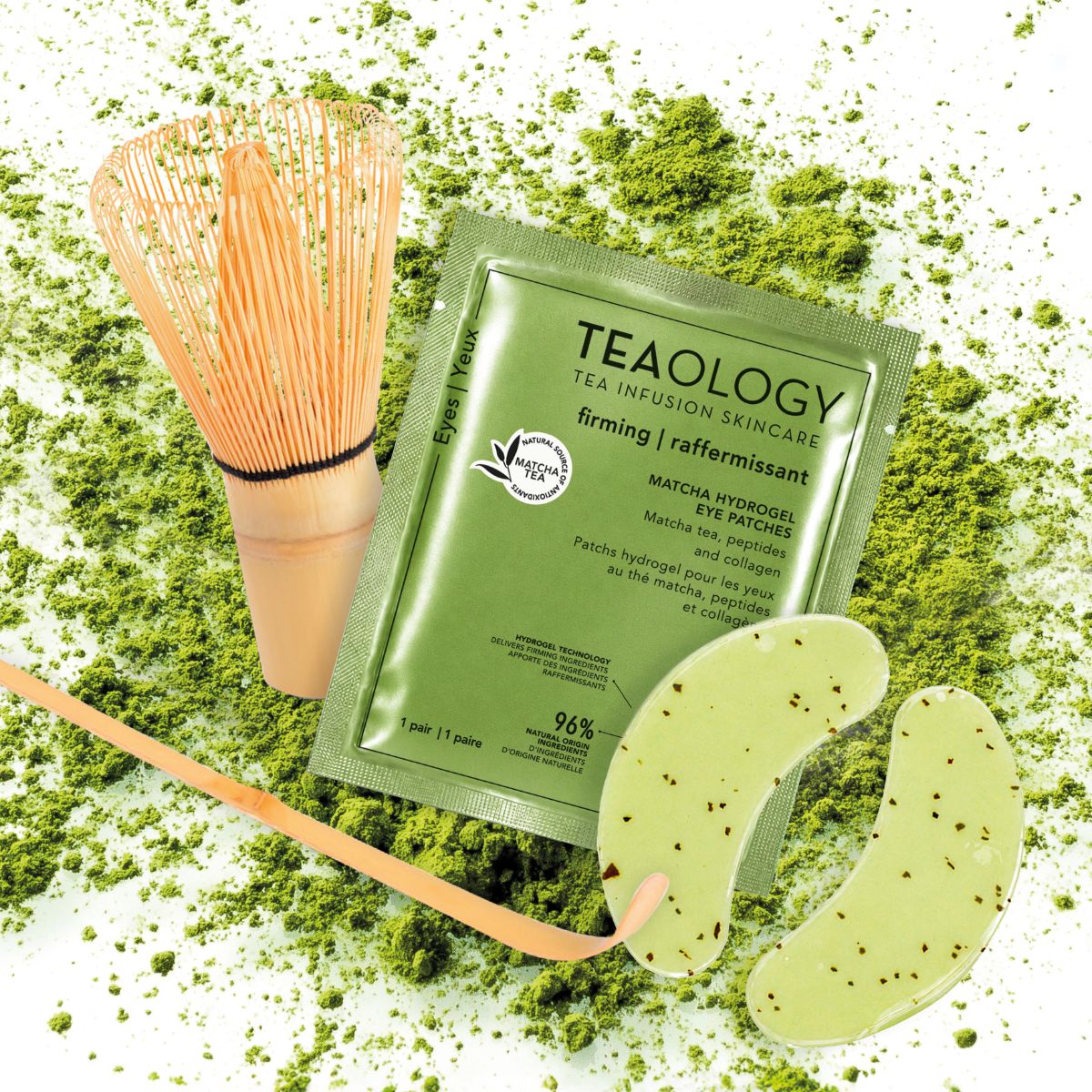
In Japanese, "Ma" means powder and "Cha" means tea; therefore, the word "matcha" literally translates to "powdered green tea."
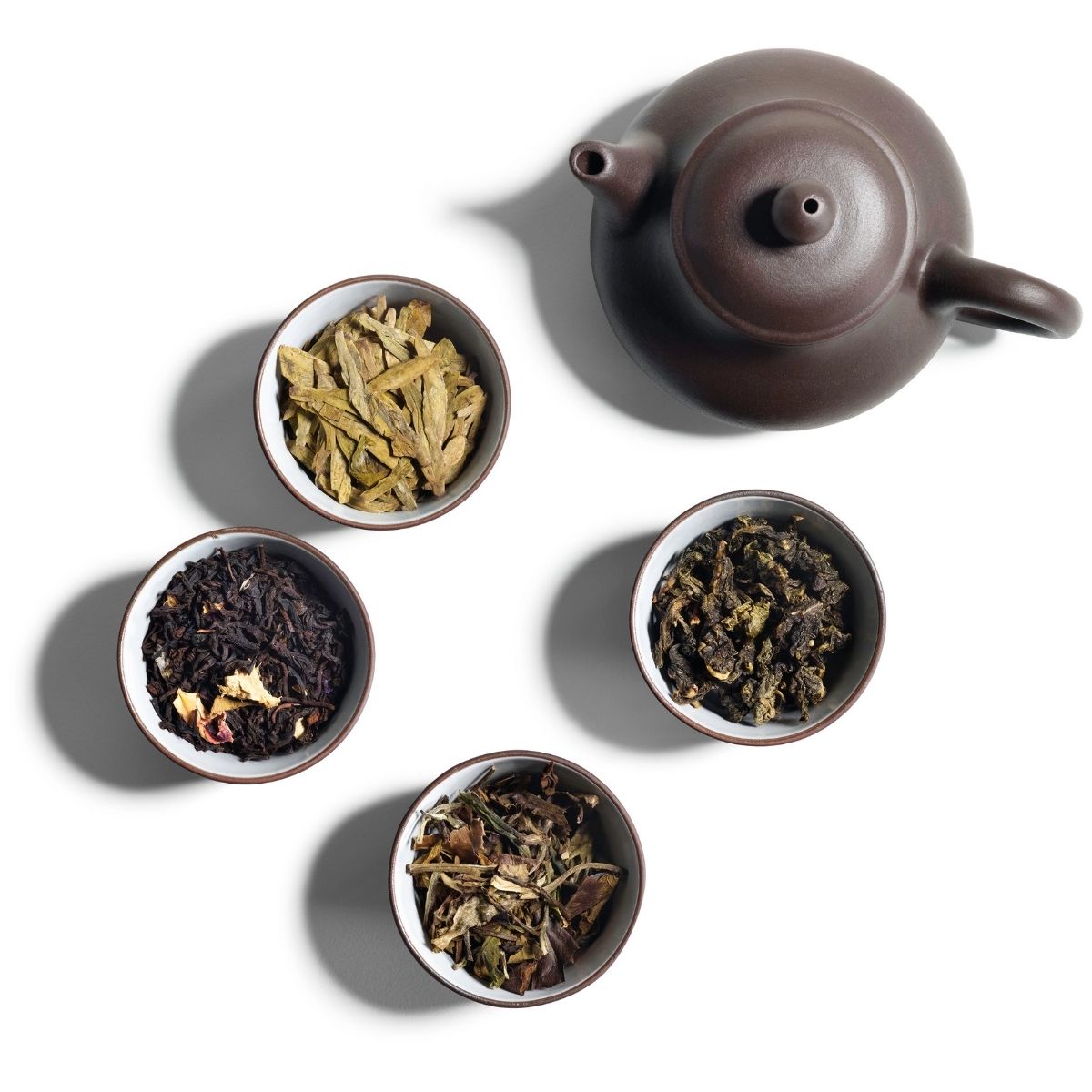
Currently, there are over 5,000 types of tea in the world, all originating from the same plant: Camellia Sinensis. What differentiates them is how the leaves are harvested and processed.
Matcha is the only type of tea whose leaves are ground into a very fine powder, and therefore it is also the only type of tea where we consume the leaves, whereas with others, we drink the infusion obtained by steeping the leaves in water and then removing them.
Contrary to popular belief, Matcha is not native to Japan. It was the Zen monk Eisai who, in 1191 AD, brought the first green tea seeds from China to Japan and planted them in the temple grounds in Kyoto. Eisai had the intuition to grind and consume green tea leaves in powder form and was the first to write a treatise on tea, "Kissa Youjyouki," to encourage the Japanese to adopt the habit of drinking it for its health benefits: "tea is a miraculous medicine and possesses the extraordinary power to prolong life," matcha is "the elixir of immortals."
The Benefits of Matcha for the Skin
In the 16th century, Japanese tea farmers discovered that shading tea plants 20 days before harvest gave the leaves a sweet flavor; today we know that this technique enhances their antioxidant power because it forces the leaves to defend themselves from the sun and quickly develop a greater amount of EGCG catechins and chlorophyll, which gives them their bright green color.
Due to its cultivation technique, the type of soil in which it grows, and especially because it is made from ground tea leaves, matcha has an antioxidant concentration up to 137 times higher than that of other green teas.
Matcha is considered a cosmetic ingredient with superpowers because every single antioxidant molecule and a variety of nutrients can be extracted from its ground leaves, making it effective in both cleansing and anti-acne products, as well as in intensive firming and smoothing treatments.

The main benefits of matcha for the skin, clinically proven by over 50 scientific publications, are:
- Firming and anti-aging action: The very high content of EGCG (epigallocatechins) counteracts free radicals responsible for premature aging. It protects collagen and elastin, reducing the appearance of wrinkles and improving skin firmness.
- Detox and purifying effect: Its high concentration of chlorophyll (due to shade cultivation) helps eliminate toxins accumulated on the skin due to environmental pollution, deeply purifying pores. For this reason, it is an ideal ingredient in facial cleansers for both normal, combination, and oily skin.
- Reduction of acne and sebum: Matcha has strong antibacterial properties and regulates sebum production. EGCG acts directly on the skin's hormonal receptors, reducing inflammation and combating bacteria that cause blemishes.
- Calming and anti-inflammatory action: Every skin problem is caused by an inflammatory state. Matcha is an excellent natural soothing agent for sensitive or irritated skin because it helps reduce inflammation in skin conditions such as rosacea, psoriasis, and rashes.
- Brightening and evening action: The combination of Vitamin C, Vitamin A (beta-carotene), and the stimulation of skin microcirculation helps lighten dark spots and gives the face an immediately more radiant and healthy appearance.
- Photoprotection and UV rays (15 direct clinical studies): Clinical trials in humans (both with oral and topical administration) show that regular intake of polyphenols reduces UV-induced erythema and limits photoaging. A recent study confirmed that continuous use of whole Matcha leaf partially attenuates cellular damage caused by ultraviolet radiation.
Source: NIH | National Library of Medicine — find out more
Matcha is a miraculous all-rounder ingredient
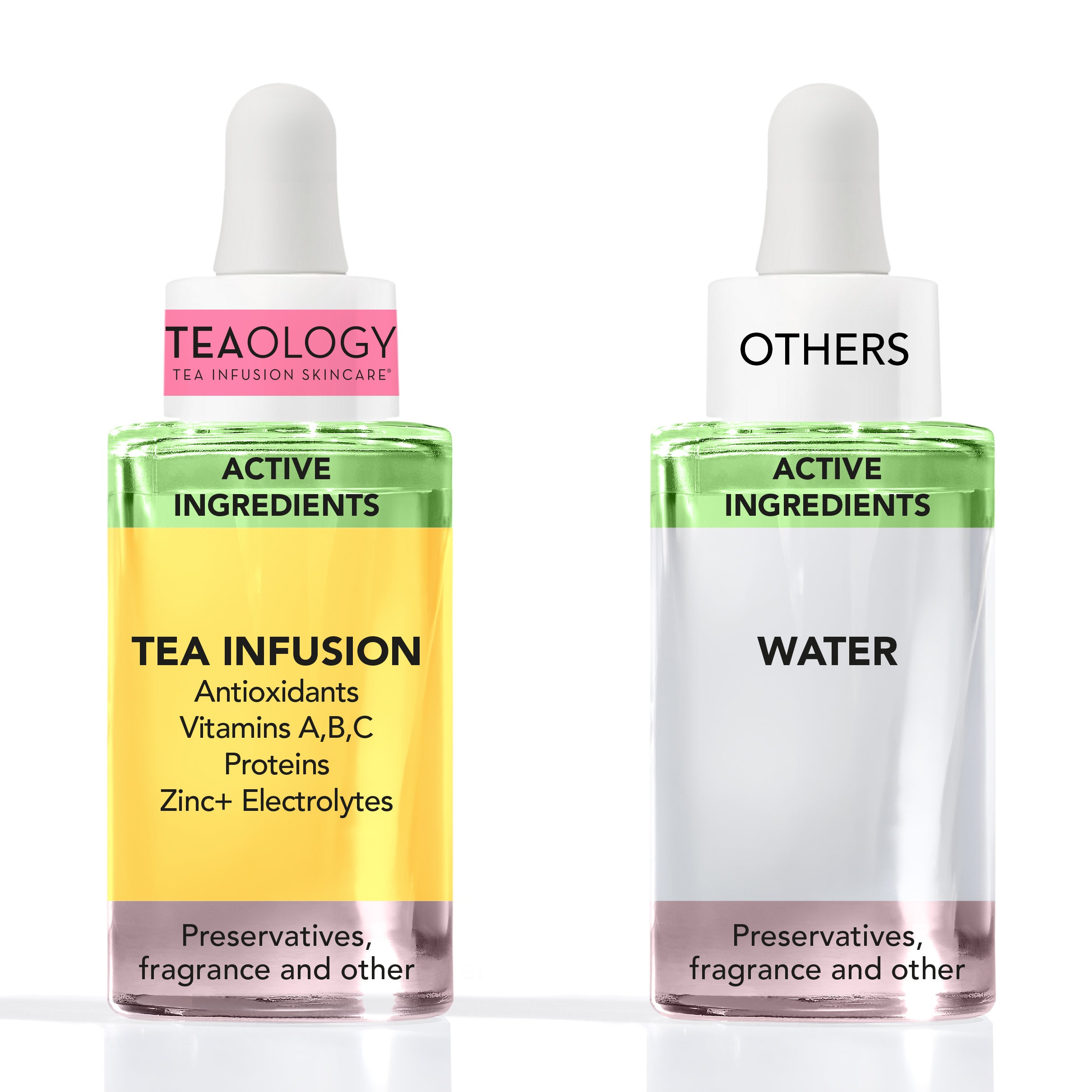
With Teaology, we have managed to encapsulate all the benefits of a cup of tea, including matcha tea, in every formula through a patented technology designed to extract their rich concentration of antioxidant catechins and powerful nutrients from tea leaves. The effectiveness of this production method has been clinically proven by studies conducted in collaboration with Italian Universities and independent research laboratories, and has allowed us to obtain a unique patent called Tea Infusion Skincare®.
A cosmetic formula contains a lot of water; in fact, it is almost always the first ingredient in the INCI. Replacing water with a real tea infusion, which in the case of matcha tea is a natural source of EGCG, electrolytes, chlorophyll, and essential vitamins: A, B, C, K, E, means replacing an inert element like water with a highly functional and active ingredient for the skin barrier.
Matcha is the flagship ingredient of our firming line for the face and eye contour. We have selected organic matcha tea cultivated in the Japanese region of Shizuoka, one of the most renowned areas for its extraordinary production of high-quality matcha, because your skin deserves the best.


